24/7 breakdown support across the Riverina0427 997 730[email protected]

Home / Services / Hazardous area electrical (EEHA)

SVC · Hazardous areas

Hazardous area electrical: EEHA design, installation and inspection

Electrical work in gas and dust zones done to AS/NZS 60079 by EEHA-competent electricians, with the paperwork to prove it.

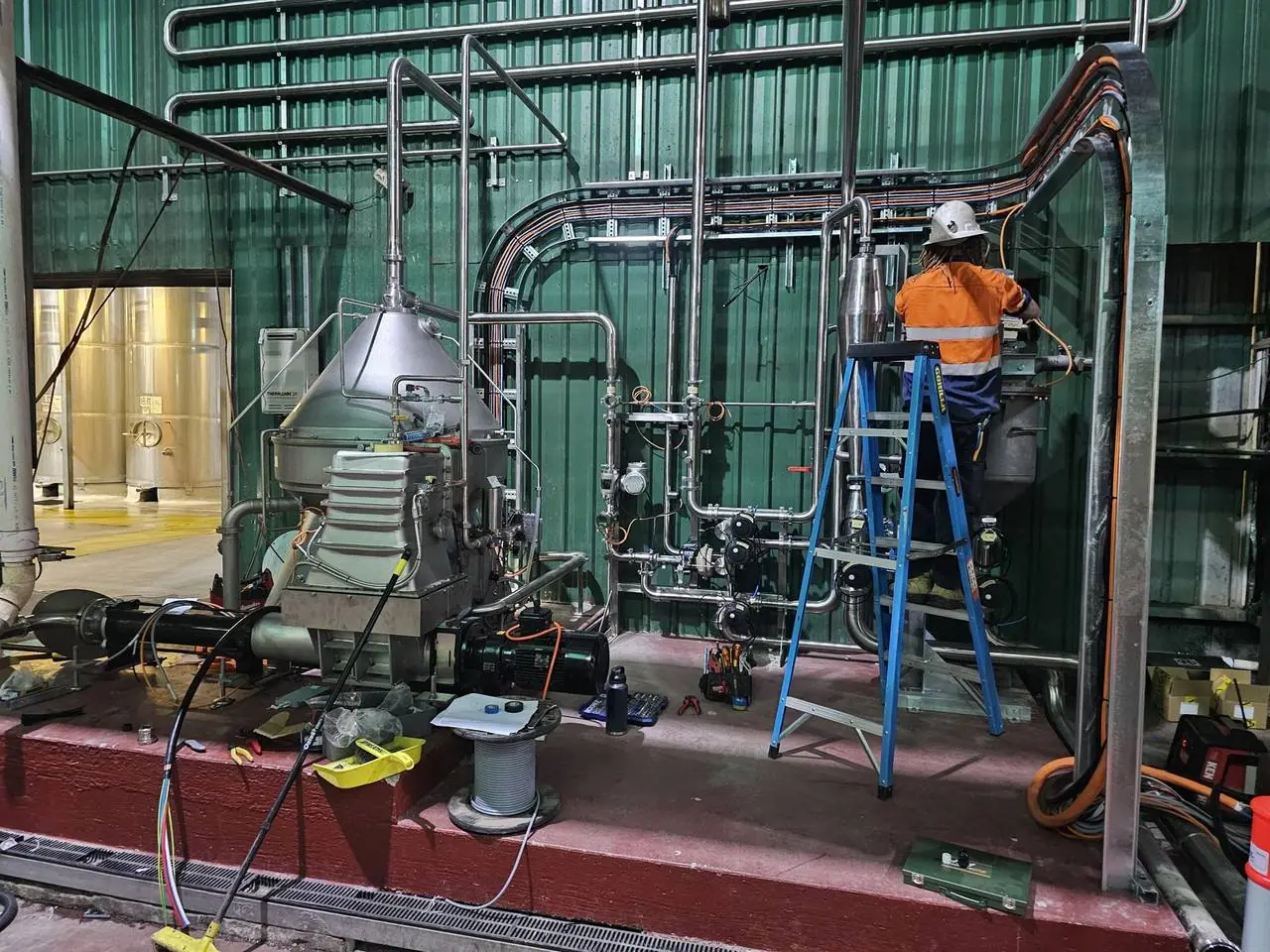
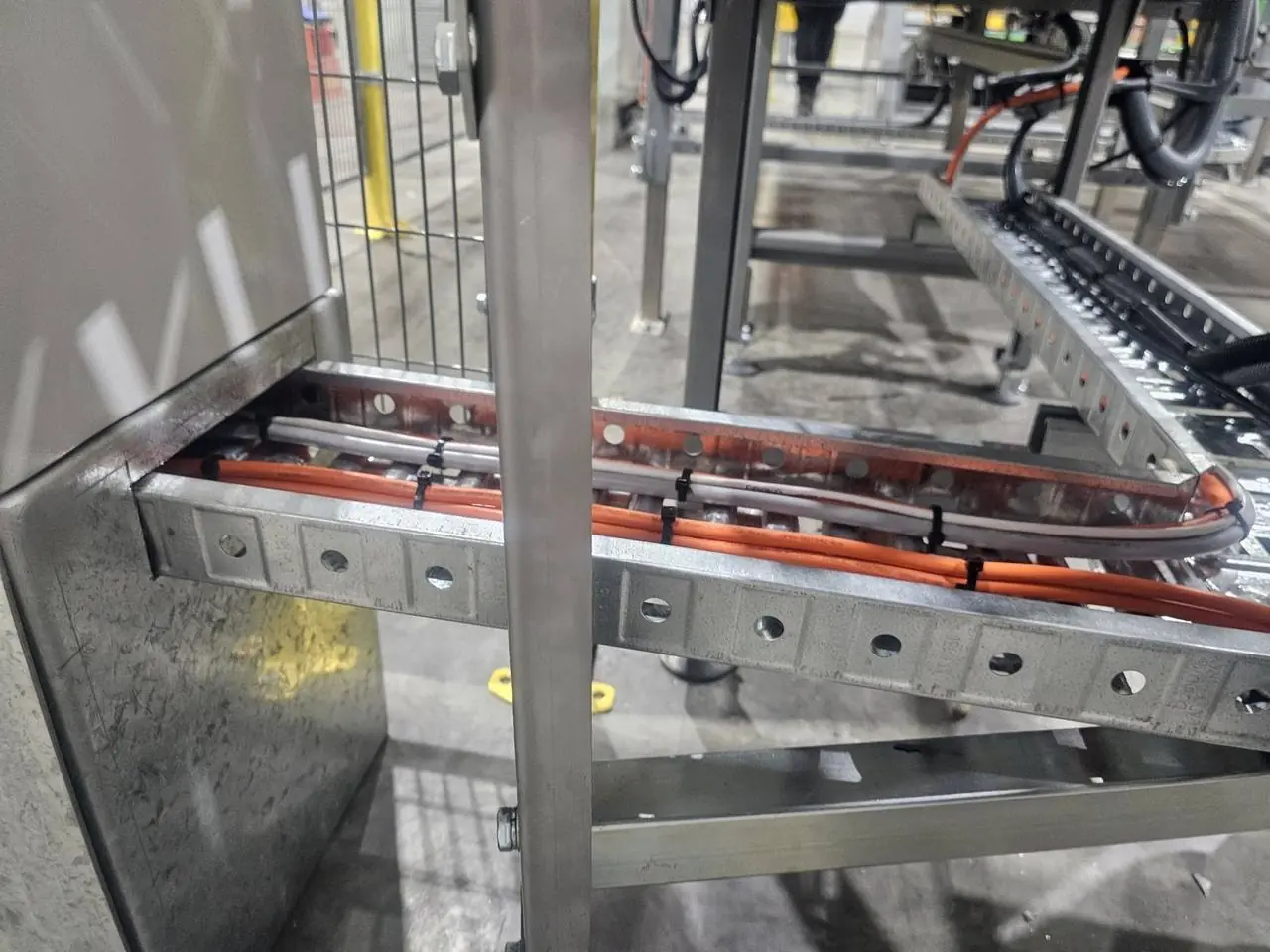
AMC electrician installing cabling at a food processing plantNew cable tray installation in a factory

SVC · Hazardous areas · What we do

Explosive atmospheres leave no room for guesswork.

If your site stores or handles flammable gases, liquids or combustible dusts, the electrical equipment in those areas must not become the ignition source. That means the right zone classification, correctly selected and installed Ex equipment, and regular inspection by people who hold hazardous-area competencies, all recorded in a verification dossier.

AMC covers the whole job. We help classify the areas, design and select the equipment, install and maintain it, inspect existing installations to AS/NZS 60079.17, and put together the dossier your insurer, auditor or regulator will ask for. Because we also build switchboards and control systems, hazardous-area work fits into the same project rather than being handed off to another contractor.

What we do

  • Hazardous area classification and zone drawings (gas and dust)
  • EEHA design and Ex equipment selection
  • Installation of Ex equipment and wiring systems
  • Maintenance of hazardous-area installations
  • Initial and periodic inspections to AS/NZS 60079.17
  • Verification dossiers and inspection records
  • Rectification of non-conforming equipment
  • Hazardous-area work on new plant and upgrades

Standards, platforms & tools

AS/NZS 60079.10.1AS/NZS 60079.10.2AS/NZS 60079.14AS/NZS 60079.17EEHA competentAS/NZS 3000

How a hazardous area job runs

Classify, design, install, inspect, record.

Most sites need some or all of these steps. We can start wherever you are.

01

Classify the areas

Identify sources of release and the extent of each zone for gases (Zone 0, 1, 2) and dusts (Zone 20, 21, 22), with drawings to suit.

02

Design and select

Choose equipment with the right protection technique, gas or dust group and temperature class for each zone, and design the wiring systems.

03

Install

Install Ex equipment, glands, cabling and earthing to AS/NZS 60079.14, with records for every item.

04

Inspect

Initial inspections before energising, then periodic detailed inspections to AS/NZS 60079.17 at the interval your site needs.

05

Fix what we find

Rectify non-conforming equipment and installation faults, and re-inspect.

06

Keep the dossier current

Equipment schedules, certificates, drawings and inspection records kept in one verification dossier. Read our EEHA guide for what goes in it.

Where hazardous areas turn up

Not just mines and refineries.

In regional industry we see hazardous areas in distilleries and spirits handling, ethanol and solvent stores, grain silos and elevators, flour, sugar and feed mills, biomass plants, fuel and LPG installations, and biogas and wastewater sites.

Many of these sites have older equipment that was never classified properly, or has been modified since. A periodic inspection is usually the best starting point: it tells you what you have, what doesn't comply and what to fix first.

  • Site walk and document review
  • Classification or inspection scope
  • Upfront price
  • Work done around production
  • Rectification and re-inspection
  • Dossier handed over

Proof

See it on the job.

Hazardous-area work sits alongside our machine safety, switchboard and control system work, so one team can take a project from classification to commissioning.

Where we work

Griffith-based. Riverina and Australia-wide.

We do hazardous-area work across Griffith, Leeton, Wagga Wagga and the Riverina, and travel Australia-wide for project work.

GriffithLeetonYendaHanwoodYoogaliNarranderaDarlington PointColeamballyHayHillstonWagga WaggaMildura

FAQs

Common questions

What is EEHA?

EEHA stands for Electrical Equipment in Hazardous Areas: the design, installation, inspection and maintenance of electrical equipment where flammable gases, vapours or combustible dusts can form an explosive atmosphere. In Australia it is covered by the AS/NZS 60079 series.

Who can do hazardous area electrical work?

Electrical work in hazardous areas must be done by licensed electricians who also hold hazardous-area competencies for the work they are doing. AMC's EEHA work is done by competent, licensed staff.

How often do hazardous area installations need inspecting?

AS/NZS 60079.17 requires an initial inspection before the installation is put into service and periodic inspections after that. The interval depends on the equipment, environment and site history, and is usually set by a competent person; many sites inspect at least every few years.

Do you do hazardous area classification?

Yes. We prepare or support hazardous area classification for gas and dust zones, including zone drawings, as part of a new project or for an existing site.

What is a verification dossier?

It is the record that proves the installation is compliant: area classification, equipment schedules and certificates, drawings, installation and inspection records. We prepare and update it as part of our work.

Can you work on dust zones as well as gas?

Yes. Grain, flour, sugar, feed and biomass dusts are common in the Riverina, and we work in both dust and gas zones.

Next step

Got a plant, machine or board that needs sorting?

Send us the scope, drawings or a few photos. An engineer reads every request and comes back within one business day with next steps and a clear, upfront price.

Project engineer or OEM? Send a P&ID, equipment list or scope for a budget price.

Call nowEmailGet a quote